
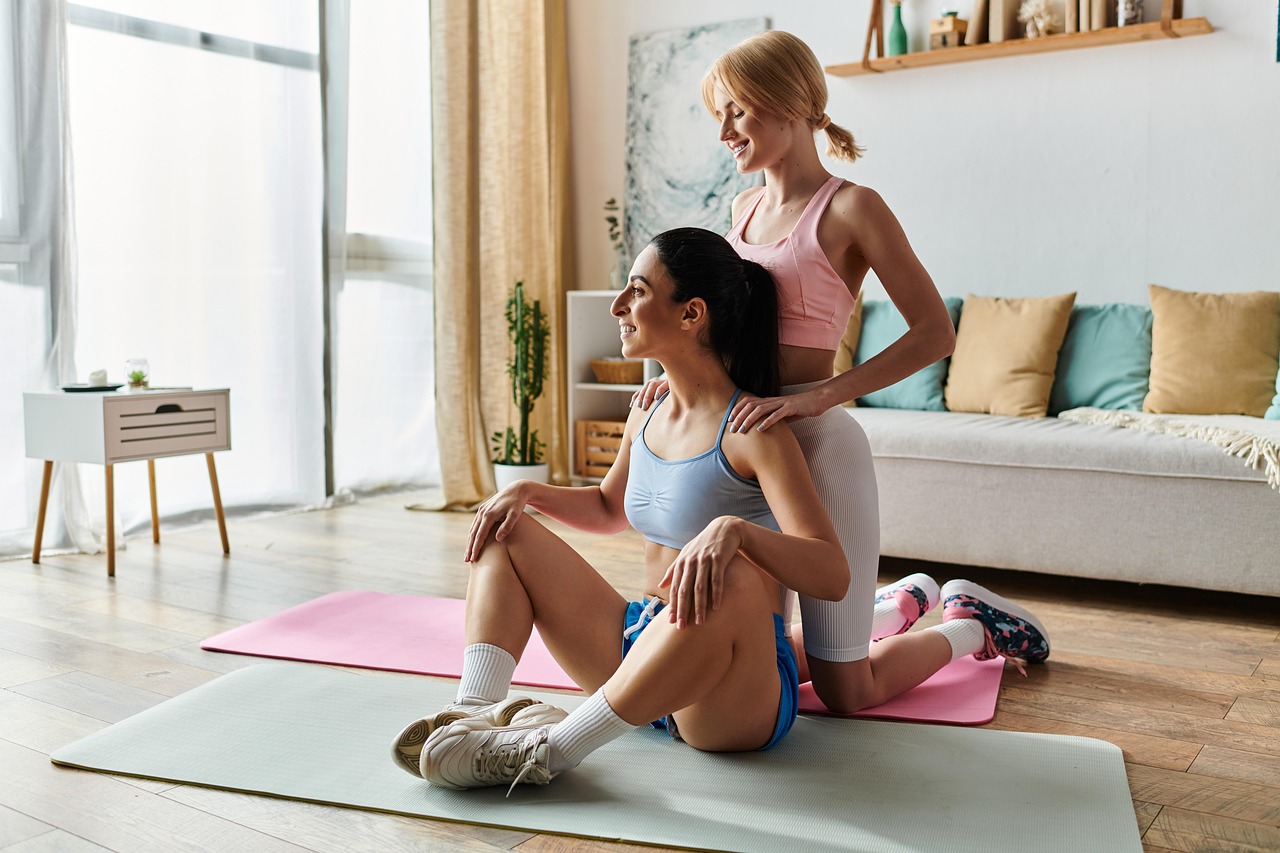
Working out doesn’t always require a gym membership or a large space. With a little creativity and the right exercises, you can transform your apartment into your personal fitness haven. This guide provides everything you need to know to create an effective apartment workout routine, helping you stay fit without leaving the comfort of your home.
Benefits of Apartment Workouts
Working out in your apartment offers numerous advantages:
Convenience and Time-Saving
- No commute: Say goodbye to travel time. Your workout space is just steps away.
- Flexible schedule: Work out whenever it fits your schedule, whether it’s early morning or late at night.
- No gym fees: Save money on gym memberships and expensive equipment.
Privacy and Comfort
- No crowded gyms: Enjoy your workout without feeling self-conscious or waiting for equipment.
- Personalized environment: Control the music, temperature, and overall atmosphere.
- Familiar surroundings: Feel more relaxed and focused in your own space. According to a study by the University of California, Berkeley, familiar environments can reduce stress levels during physical activity.
Cost-Effective Fitness
- Minimal equipment: Many apartment workouts require only bodyweight or inexpensive equipment.
- Accessible resources: Utilize free online workout videos and apps. YouTube channels like “Fitness Blender” and apps like “Nike Training Club” offer a wide range of workout routines.
- Creative use of space: Maximize small spaces by using walls, furniture, and even stairs for exercises.
Designing Your Apartment Workout Routine
Creating an effective workout routine tailored to your apartment requires careful planning.
Assessing Your Space and Resources
- Evaluate your space: Identify areas where you can comfortably move and exercise. Clear any obstacles to prevent injuries.
- Consider your fitness level: Start with beginner-friendly exercises and gradually increase the intensity as you get stronger.
- Choose your equipment wisely: Select a few essential items such as resistance bands, dumbbells, or a yoga mat. Resistance bands, for example, are incredibly versatile and take up minimal space.
Structuring Your Workouts
- Warm-up: Begin with 5-10 minutes of light cardio and dynamic stretching (e.g., arm circles, leg swings) to prepare your muscles.
- Workout: Focus on compound exercises that work multiple muscle groups (e.g., squats, push-ups, lunges).
- Cool-down: End with 5-10 minutes of static stretching (e.g., hamstring stretch, quad stretch) to improve flexibility and reduce muscle soreness.
- Frequency: Aim for at least 3-5 workouts per week, with rest days in between.
Example Workout Schedule
Here’s a sample schedule you can adapt:
- Monday: Full Body Strength Training
- Tuesday: Cardio (e.g., jumping jacks, high knees, stair climbing)
- Wednesday: Rest or Active Recovery (e.g., yoga, light walk)
- Thursday: Upper Body Strength Training
- Friday: Lower Body Strength Training
- Saturday: Cardio
- Sunday: Rest
Apartment-Friendly Exercises
Choosing the right exercises is crucial for an effective and safe apartment workout.
Bodyweight Exercises
- Squats: Stand with your feet shoulder-width apart and lower your hips as if sitting in a chair.
- Push-ups: Place your hands shoulder-width apart on the floor and lower your chest towards the ground, keeping your body in a straight line. Modify on your knees if needed.
- Lunges: Step forward with one leg and lower your hips until both knees are bent at 90 degrees.
- Plank: Hold a straight line from head to heels, engaging your core muscles. Start with 30 seconds and gradually increase the duration.
- Glute bridges: Lie on your back with your knees bent and lift your hips off the ground, squeezing your glutes at the top.
Low-Impact Cardio
- Jumping jacks: Perform jumping jacks with modifications, such as stepping out to the side instead of jumping, to reduce noise.
- High knees: Lift your knees towards your chest while jogging in place.
- Butt kicks: Kick your heels towards your glutes while jogging in place.
- Stair climbing: If you have stairs, use them for a cardio workout. Walk or run up and down the stairs for a set amount of time.
- Dancing: Put on your favorite music and dance for 30 minutes. This is a fun and effective way to burn calories.
Using Minimal Equipment
- Resistance bands: Use resistance bands for exercises like bicep curls, tricep extensions, and lateral walks.
- Dumbbells: Use dumbbells for exercises like dumbbell rows, shoulder presses, and goblet squats.
- Yoga mat: Provides cushioning and support for floor exercises.
- Jump rope: A great way to improve cardiovascular fitness. Be mindful of noise if you have downstairs neighbors.
Minimizing Noise and Disturbance
Respecting your neighbors is essential when working out in an apartment.
Soundproofing Techniques
- Use a yoga mat or thick exercise mat: This will help absorb impact and reduce noise.
- Avoid jumping exercises directly on the floor: Modify exercises to minimize impact.
- Consider the timing of your workouts: Avoid exercising during late hours or early mornings when neighbors might be sleeping. Many apartment complexes have quiet hours; be sure to respect these.
Communication with Neighbors
- Inform your neighbors about your workout schedule: This can help them anticipate any potential noise.
- Ask for feedback: Inquire if your workouts are causing any disturbance.
- Be considerate: If your neighbors have any concerns, try to adjust your routine to accommodate them. A simple conversation can prevent misunderstandings and maintain good neighborly relations.
Alternative Options
- Consider workout classes or studios in your area: If noise is a significant concern, explore options outside your apartment.
- Use headphones: Listen to music or workout videos through headphones to minimize noise.
- Opt for low-impact exercises: Focus on exercises that are less likely to create noise, such as yoga, Pilates, or bodyweight strength training.
Staying Motivated and Consistent
Maintaining motivation is key to achieving your fitness goals.
Setting Realistic Goals
- Start small: Set achievable goals to avoid feeling overwhelmed.
- Track your progress: Monitor your workouts, weight, and measurements to see how far you’ve come.
- Celebrate milestones: Reward yourself for reaching your goals.
- Example: Instead of aiming to work out every day, start with three times a week and gradually increase the frequency.
Creating a Routine
- Schedule your workouts: Treat your workouts like appointments and add them to your calendar.
- Prepare your space: Set up your workout area in advance to make it easier to get started.
- Find a workout buddy: Working out with a friend can help you stay motivated and accountable. Studies show that people are more likely to stick to their fitness routines when they have social support.
Varying Your Workouts
- Try different exercises: Prevent boredom by incorporating new exercises into your routine.
- Explore online resources: Use YouTube, fitness apps, and online programs to find new workout ideas.
- Join virtual fitness communities: Connect with others who are working out at home for motivation and support.
Conclusion
Working out in your apartment can be a convenient, cost-effective, and enjoyable way to stay fit. By designing a routine that fits your space and needs, minimizing noise to respect your neighbors, and staying motivated with realistic goals, you can transform your apartment into a personal fitness haven. Remember to start slow, listen to your body, and enjoy the process. With consistency and dedication, you can achieve your fitness goals without ever leaving home.