
Stretching is often an overlooked component of overall health and fitness, yet its benefits are profound and far-reaching. From improving flexibility and range of motion to reducing muscle tension and preventing injuries, incorporating regular stretching into your routine can significantly enhance your well-being. This guide provides a comprehensive look at home stretching, offering practical advice and actionable steps to help you reap the rewards of this essential practice.
Why Stretch at Home? Unveiling the Benefits
Stretching isn’t just for athletes; it’s a valuable activity for everyone, regardless of age or fitness level. Home stretching allows you to conveniently prioritize your physical health without the need for expensive equipment or gym memberships.
Improved Flexibility and Range of Motion
One of the most well-known benefits of stretching is improved flexibility and range of motion. As we age, our muscles and connective tissues tend to become stiffer, limiting our movement. Regular stretching helps to counteract this process, allowing you to move more freely and comfortably.
- Practical Example: Imagine reaching for a high shelf. With good flexibility, this task is effortless. Without it, you may strain a muscle.
- Tip: Focus on holding stretches for at least 30 seconds to allow your muscles to lengthen effectively.
Reduced Muscle Tension and Soreness
Stretching helps to release tension that builds up in your muscles throughout the day. This can be particularly beneficial if you sit for prolonged periods or engage in repetitive movements.
- Practical Example: After a long day at your desk, try stretching your neck, shoulders, and back to relieve tension and prevent headaches.
- Data: Studies have shown that stretching can reduce delayed-onset muscle soreness (DOMS) after exercise.
Injury Prevention
Flexible muscles are less prone to injury. Stretching prepares your muscles for activity by increasing blood flow and improving elasticity. This reduces the risk of strains, sprains, and other common injuries.
- Practical Example: Stretching your hamstrings before running can prevent hamstring strains.
- Actionable Takeaway: Incorporate dynamic stretching (active movements) before exercise and static stretching (holding positions) after exercise.
Enhanced Posture
Stretching can help to improve your posture by lengthening tight muscles and strengthening weak ones. Proper posture reduces strain on your spine and joints, leading to less pain and discomfort.
- Practical Example: Stretching your chest muscles and strengthening your back muscles can help to counteract slouching.
- Tip: Be mindful of your posture throughout the day and take breaks to stretch and move around.
Creating Your Home Stretching Routine
Consistency is key when it comes to reaping the benefits of stretching. Establishing a regular routine that fits into your lifestyle will help you stay committed and see lasting results.
Warm-Up Before Stretching
Never stretch cold muscles. Always warm up your body for 5-10 minutes with light cardio, such as jogging in place or jumping jacks, before starting your stretching routine. This increases blood flow to your muscles and makes them more pliable.
- Practical Example: Before stretching your legs, do a few minutes of brisk walking or light cycling.
Focus on Major Muscle Groups
Include stretches that target all major muscle groups, including your neck, shoulders, back, chest, arms, hips, legs, and core. This ensures a balanced approach to flexibility and prevents muscle imbalances.
- Example Stretches:
- Neck: Neck tilts, chin tucks
- Shoulders: Arm circles, cross-body arm stretches
- Back: Cat-cow stretch, seated spinal twist
- Chest: Doorway chest stretch
- Hips: Butterfly stretch, hip flexor stretch
- Legs: Hamstring stretch, quad stretch, calf stretch
Proper Stretching Technique
Use proper form to avoid injury. Hold each stretch for 30-60 seconds and breathe deeply. Avoid bouncing, which can cause muscle tears. Listen to your body and stop if you feel any pain.
- Tip: Imagine lengthening your muscles with each exhale.
- Actionable Takeaway: If you’re unsure about proper form, watch videos or consult with a physical therapist.
Frequency and Duration
Aim to stretch at least 2-3 times per week, but ideally every day. Even a short 10-15 minute stretching routine can make a difference.
- Practical Example: Incorporate stretching into your morning routine or before bed.
- Tip: Find a time that works best for you and stick to it consistently.
Essential Home Stretching Exercises
Here are some essential stretching exercises you can easily perform at home:
Upper Body Stretches
- Neck Tilts: Gently tilt your head towards your shoulder, holding the stretch for 30 seconds. Repeat on the other side.
- Shoulder Rolls: Roll your shoulders forward and backward to release tension.
- Doorway Chest Stretch: Place your forearms on a doorway frame and gently lean forward until you feel a stretch in your chest. Hold for 30 seconds.
- Triceps Stretch: Reach one arm overhead and bend at the elbow, reaching your hand down your back. Use your other hand to gently pull your elbow further. Hold for 30 seconds and repeat on the other side.
Lower Body Stretches
- Hamstring Stretch: Sit on the floor with one leg extended and the other bent, with the sole of your foot against your inner thigh. Reach towards your toes and hold for 30 seconds. Repeat on the other side.
- Quad Stretch: Stand holding onto a chair or wall for balance. Bend one knee and grab your foot, pulling it towards your glutes. Hold for 30 seconds and repeat on the other side.
- Calf Stretch: Stand facing a wall and place one foot slightly behind the other. Lean forward, keeping your back heel on the ground, until you feel a stretch in your calf. Hold for 30 seconds and repeat on the other side.
- Butterfly Stretch: Sit on the floor with the soles of your feet together. Gently press down on your knees to deepen the stretch. Hold for 30 seconds.
- Hip Flexor Stretch: Kneel on one knee with the other foot flat on the floor in front of you. Gently push your hips forward until you feel a stretch in your hip flexor. Hold for 30 seconds and repeat on the other side.
Core and Back Stretches
- Cat-Cow Stretch: Start on your hands and knees. Arch your back like a cat and then drop your belly towards the floor in the cow position. Repeat 10-15 times.
- Seated Spinal Twist: Sit on the floor with your legs extended. Bend one knee and place the foot outside the opposite knee. Twist your torso towards the bent knee, using your arms for leverage. Hold for 30 seconds and repeat on the other side.
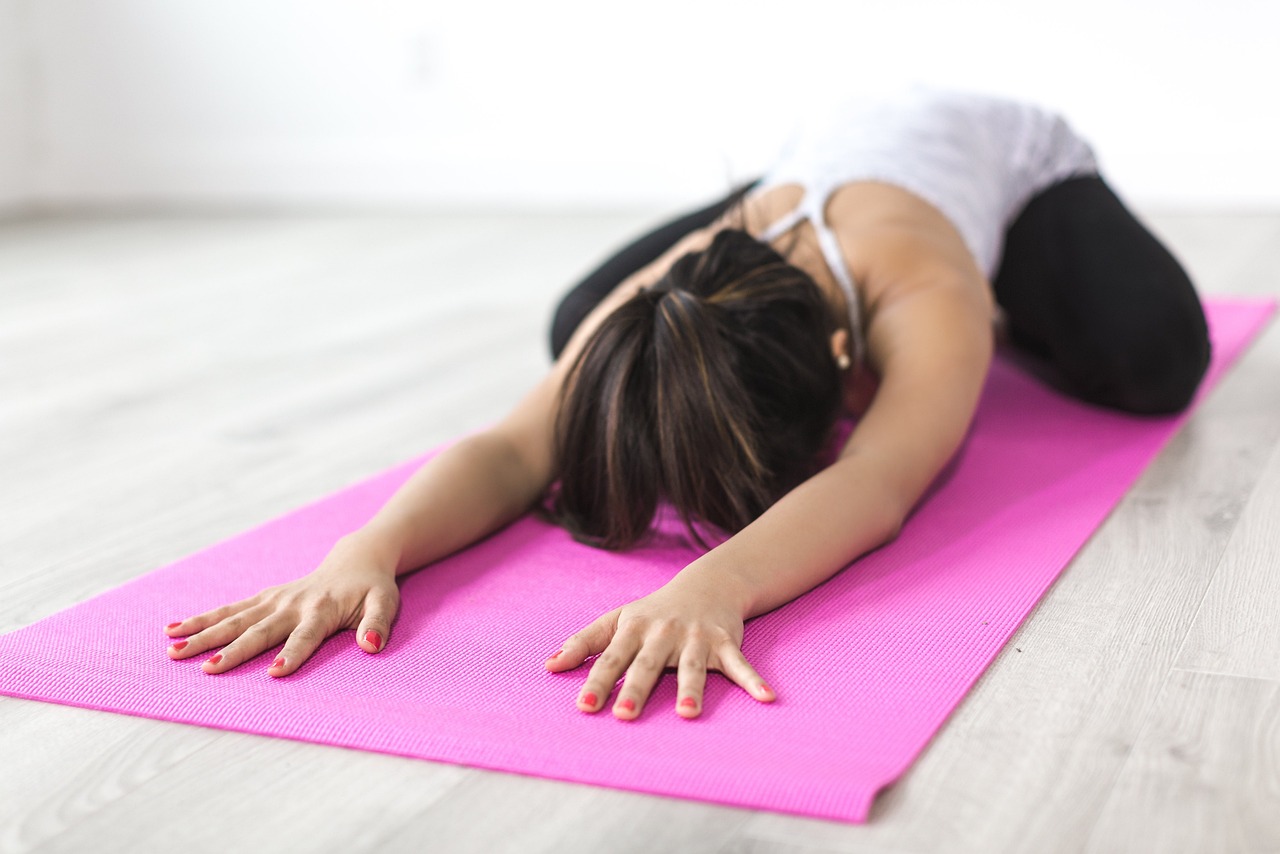
- Child’s Pose: Kneel on the floor with your knees hip-width apart. Sit back on your heels and lower your torso between your knees, extending your arms forward. Hold for 30-60 seconds.
Common Mistakes to Avoid
Even though stretching is beneficial, it’s crucial to avoid common mistakes that can lead to injury or hinder progress.
Stretching Cold Muscles
As mentioned earlier, stretching cold muscles can increase the risk of injury. Always warm up before stretching.
Bouncing While Stretching
Bouncing can trigger the stretch reflex, causing your muscles to contract rather than lengthen. This can lead to muscle strains and tears.
Overstretching
Pushing yourself too hard can also lead to injury. Listen to your body and stop if you feel any pain. A gentle pull or tension is normal, but sharp or intense pain is a sign to back off.
Holding Your Breath
Holding your breath can tense your muscles and make stretching less effective. Breathe deeply and evenly throughout each stretch.
Neglecting Proper Form
Using incorrect form can target the wrong muscles or put excessive strain on your joints. Use videos or consult with a professional to ensure you’re stretching correctly.
Conclusion
Incorporating home stretching into your daily or weekly routine is a powerful way to improve your physical health and well-being. By understanding the benefits, creating a consistent routine, and avoiding common mistakes, you can unlock greater flexibility, reduce muscle tension, prevent injuries, and enhance your overall quality of life. Start small, be patient, and enjoy the journey to a more flexible and healthier you. Remember to listen to your body and adapt your routine as needed. Your body will thank you for it!