
Fueling your body between meals with nutritious and satisfying snacks is crucial for maintaining energy levels, boosting focus, and supporting overall health. But navigating the world of snacks can be tricky, with countless processed options vying for attention. The key to successful snacking lies in embracing whole food snacks: real, unprocessed foods packed with essential nutrients and free from added sugars, unhealthy fats, and artificial ingredients. Let’s dive into the world of whole food snacking and discover how you can make delicious and healthy choices that nourish your body from the inside out.
Why Choose Whole Food Snacks?
Superior Nutritional Value
Whole food snacks are nutritional powerhouses, offering a wealth of vitamins, minerals, fiber, and antioxidants. Unlike processed snacks that often contain empty calories and artificial additives, whole foods provide the building blocks your body needs to thrive.
- Vitamins and Minerals: Fruits, vegetables, nuts, and seeds are rich in essential micronutrients that support various bodily functions.
- Fiber: High-fiber snacks promote satiety, regulate blood sugar levels, and support digestive health.
- Antioxidants: Found abundantly in colorful fruits and vegetables, antioxidants protect your cells from damage caused by free radicals.
Sustained Energy Levels
The fiber, protein, and healthy fats in whole food snacks provide a steady release of energy, preventing energy crashes and keeping you feeling full and satisfied for longer. This is in stark contrast to sugary snacks that cause a rapid spike and subsequent drop in blood sugar, leading to cravings and fatigue.
- Complex Carbohydrates: Found in whole grains, fruits, and vegetables, these carbohydrates provide a slow and sustained energy release.
- Protein: Essential for muscle repair and satiety, protein helps you feel fuller for longer.
- Healthy Fats: Found in nuts, seeds, and avocados, healthy fats are crucial for brain function and hormone production.
Reduced Risk of Chronic Diseases
Consuming a diet rich in whole foods, including snacks, is associated with a lower risk of chronic diseases such as heart disease, type 2 diabetes, and certain types of cancer. The abundance of nutrients and antioxidants in whole foods helps protect your body from cellular damage and inflammation.
- Heart Health: Whole foods low in saturated and trans fats can help lower cholesterol levels and improve heart health.
- Blood Sugar Control: Fiber-rich snacks help regulate blood sugar levels, reducing the risk of insulin resistance and type 2 diabetes.
- Cancer Prevention: Antioxidants in fruits and vegetables can help protect against cellular damage that can lead to cancer.
Delicious and Easy Whole Food Snack Ideas
Fruits and Vegetables
Nature’s candy, fruits and vegetables are packed with vitamins, minerals, and fiber, making them perfect for a quick and refreshing snack. Combine them with a healthy dip for added flavor and nutrients.
- Apple slices with almond butter: Provides fiber, healthy fats, and protein.
- Baby carrots with hummus: A crunchy and satisfying combination of vegetables and plant-based protein.
- Berries with Greek yogurt: Rich in antioxidants and protein, this snack is both delicious and nutritious.
- Banana with a sprinkle of chia seeds: A portable and potassium-rich snack that provides sustained energy.
Nuts and Seeds
Nuts and seeds are nutritional powerhouses, offering a wealth of healthy fats, protein, and fiber. Portion control is key, as they are calorie-dense.
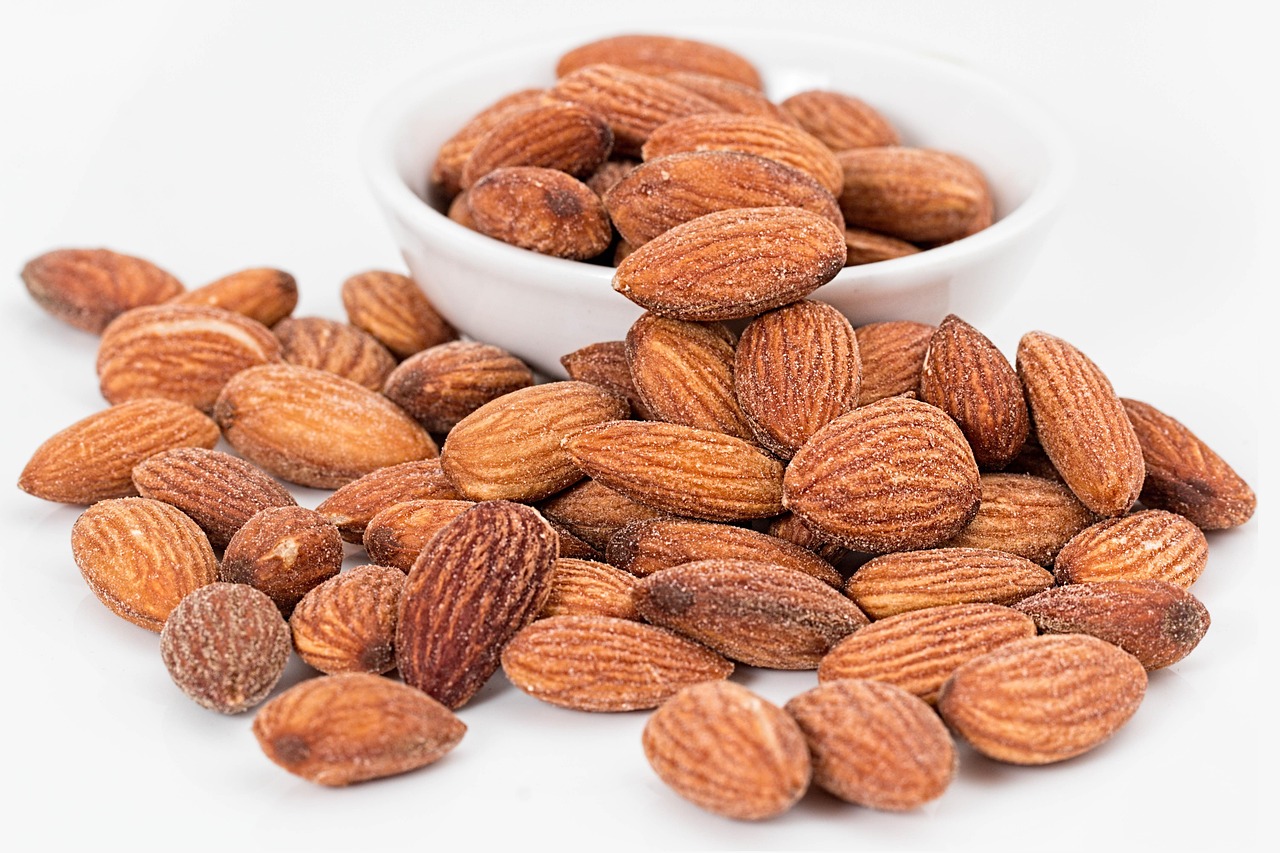
- A handful of almonds or walnuts: Provides healthy fats, protein, and vitamin E.
- Trail mix with nuts, seeds, and dried fruit: A customizable snack that offers a variety of nutrients and flavors.
- Chia seed pudding: A creamy and satisfying snack rich in fiber and omega-3 fatty acids. (Combine chia seeds with almond milk and a touch of sweetener; let sit for several hours.)
- Roasted pumpkin seeds: A crunchy and flavorful snack packed with zinc and magnesium.
Whole Grains and Legumes
Whole grains and legumes provide sustained energy and fiber, making them excellent choices for keeping you feeling full and satisfied.
- Air-popped popcorn (unsweetened): A whole-grain snack that’s low in calories and high in fiber.
- Edamame: Steamed or roasted edamame is a protein-rich and fiber-filled snack.
- Whole-grain crackers with avocado: A satisfying snack that provides healthy fats and fiber.
- Roasted chickpeas: A crunchy and flavorful snack that’s high in protein and fiber.
Dairy and Eggs (or Alternatives)
Dairy products and eggs are excellent sources of protein and other essential nutrients. If you’re dairy-free, consider plant-based alternatives like soy yogurt or fortified plant-based milks.
- Hard-boiled egg: A protein-packed snack that’s easy to prepare and take on the go.
- Greek yogurt with berries: A high-protein and antioxidant-rich snack.
- Cottage cheese with fruit: A creamy and satisfying snack that provides protein and calcium.
- Soy yogurt with granola: A plant-based option that provides protein and fiber.
Smart Snacking Habits: Tips and Tricks
Plan Ahead
The key to successful whole food snacking is to plan ahead. Prepare snacks in advance and keep them readily available to avoid reaching for processed options when hunger strikes.
- Prep snacks on the weekend: Wash and chop fruits and vegetables, portion out nuts and seeds, and prepare chia seed pudding.
- Pack snacks for work or school: Keep a supply of healthy snacks in your bag or desk to avoid vending machine temptations.
- Create a snack station at home: Keep a designated area in your pantry or refrigerator stocked with whole food snacks.
Portion Control
Even healthy snacks can contribute to weight gain if consumed in excess. Be mindful of portion sizes and avoid mindless snacking.
- Use small containers or bags: Portion out snacks into individual servings to avoid overeating.
- Read nutrition labels: Pay attention to serving sizes and calorie counts.
- Eat slowly and mindfully: Savor each bite and pay attention to your body’s hunger cues.
Listen to Your Body
Pay attention to your body’s hunger cues and eat when you’re truly hungry, not just bored or stressed. Choose snacks that satisfy your cravings and provide sustained energy.
- Distinguish between hunger and cravings: Are you truly hungry, or are you just craving something sweet or salty?
- Eat until you’re satisfied, not stuffed: Stop eating when you feel comfortably full.
- Hydrate: Sometimes, thirst can be mistaken for hunger. Drink plenty of water throughout the day.
Conclusion
Embracing whole food snacks is a simple yet powerful way to nourish your body, boost your energy levels, and improve your overall health. By choosing real, unprocessed foods over sugary and processed options, you can enjoy delicious and satisfying snacks that support your well-being. With a little planning and mindful eating, you can transform your snacking habits and reap the numerous benefits of whole food nutrition. Make the switch today and experience the difference!