
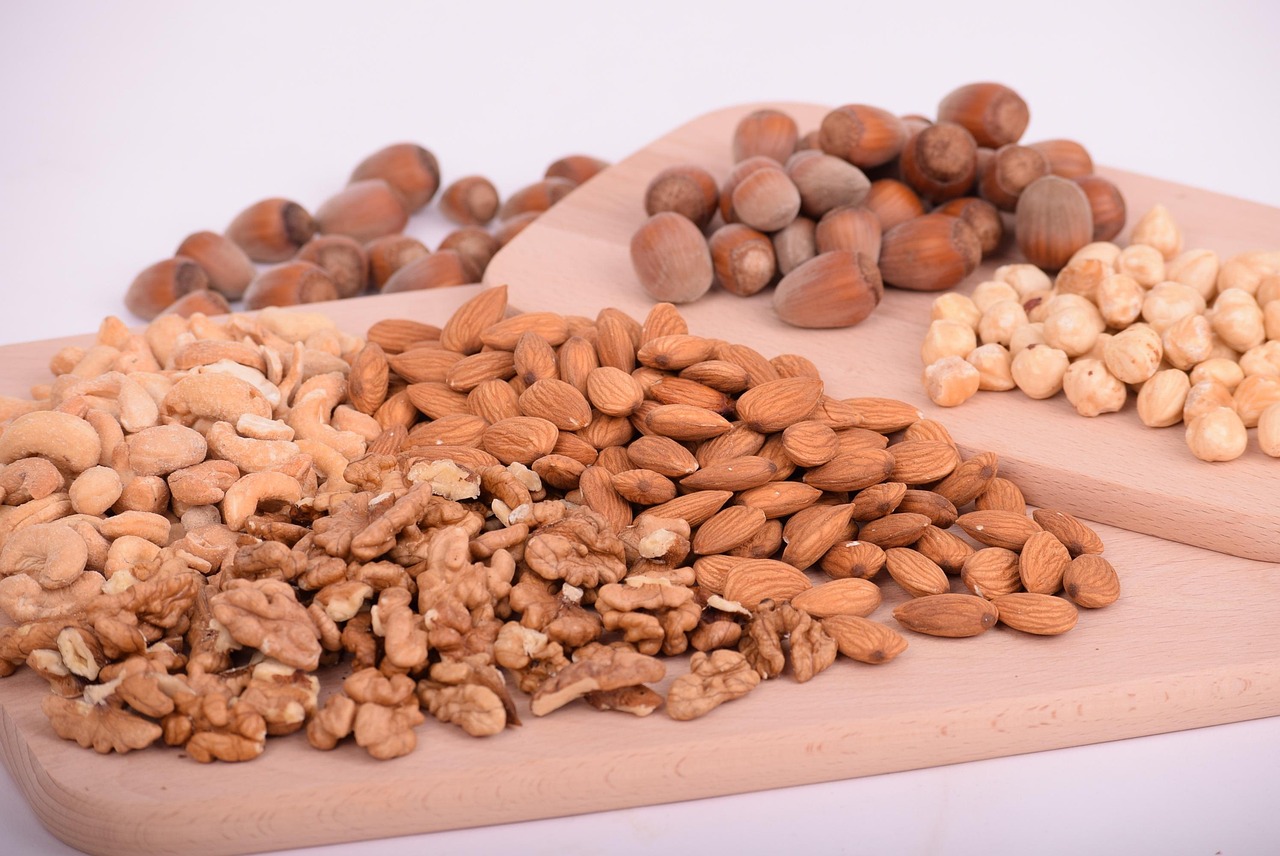
Tired of reaching for unhealthy snacks when hunger strikes? Snack prepping is your secret weapon for staying on track with your health goals. It’s about making smart, convenient choices readily available, so you’re less likely to grab that bag of chips or sugary treat. This guide will equip you with actionable snack prep strategies that will transform your eating habits and boost your overall well-being. Let’s dive in and unlock the power of planned snacking!
Planning is Paramount: Setting Yourself Up for Success
Snack prepping isn’t just about chopping vegetables; it’s a strategic approach to fueling your body throughout the week. Effective planning is crucial for ensuring you have the right ingredients and a clear roadmap for what to prepare.
Determine Your Snack Needs
- Assess your schedule: Consider your daily routines and identify times when you typically feel hungry or experience an energy slump.
- Set realistic goals: Start small. Don’t overwhelm yourself by trying to prep a month’s worth of snacks at once. Focus on preparing for 2-3 days initially.
- Consider your dietary preferences and restrictions: Whether you’re vegan, gluten-free, or have other dietary needs, tailor your snack choices accordingly.
- Example: If you know you always crave something sweet in the afternoon, plan for healthier options like a Greek yogurt parfait with berries or a small square of dark chocolate with a handful of almonds.
Grocery Shopping Strategies
- Create a detailed shopping list: Base your list on your snack plan, ensuring you have all the necessary ingredients.
- Shop the perimeter of the grocery store: This is where you’ll find fresh produce, lean proteins, and dairy products, which are typically healthier options.
- Read labels carefully: Pay attention to serving sizes, sugar content, and added ingredients.
- Buy in bulk (when appropriate): Consider buying nuts, seeds, and dried fruits in bulk to save money.
- Pro Tip: Shop on a full stomach to avoid impulse purchases of unhealthy snacks.
Snack Prep Powerhouse: Time-Saving Techniques
Now that you have your plan and groceries, it’s time to put those strategies into action. Efficient snack prepping can save you time and effort throughout the week.
Batch Cooking and Portioning
- Batch cook grains: Cook a large batch of quinoa, brown rice, or oats to use as a base for various snacks. For example, make overnight oats using rolled oats, almond milk, chia seeds, and your favorite toppings for an easy grab-and-go breakfast or snack.
- Roast vegetables: Roast a tray of mixed vegetables like broccoli, carrots, and bell peppers to enjoy as a healthy side dish or snack.
- Hard-boil eggs: Hard-boiled eggs are a protein-packed and convenient snack option. Boil a batch at the beginning of the week for easy access.
- Portioning: Divide your prepped snacks into individual containers or bags to prevent overeating and make them easy to grab on the go. Use reusable containers to minimize waste.
Make-Ahead Snack Recipes
- Energy bites: Combine oats, nut butter, honey, and your favorite add-ins like chocolate chips, dried fruit, or seeds to create energy bites. These are perfect for a quick energy boost.
- Homemade trail mix: Create your own trail mix using nuts, seeds, dried fruit, and dark chocolate chips. Avoid store-bought mixes with added sugar and unhealthy fats.
- Smoothie packs: Prepare smoothie packs by combining frozen fruits, vegetables, and protein powder in individual bags. When you’re ready to make a smoothie, simply add liquid and blend.
- Example Recipe – Protein Snack Box: Combine pre-cut vegetables (carrots, celery, cucumber), hummus, hard-boiled egg, and a small portion of nuts in a container.
Using Leftovers Creatively
- Transform dinner leftovers into snacks: Leftover roasted chicken can be shredded and used in lettuce wraps or added to a salad.
- Repurpose cooked grains: Use leftover quinoa or rice to make a quick and easy grain bowl with vegetables and a protein source.
- Example: Turn leftover chili into a topping for baked sweet potatoes for a hearty and satisfying snack.
Smart Snack Choices: Prioritizing Nutrition
The type of snacks you choose is just as important as the prep itself. Focus on nutrient-dense options that will keep you feeling full and energized.
Focus on Whole Foods
- Fruits and vegetables: Apples, bananas, berries, carrots, celery, and cucumbers are all excellent choices for healthy snacks.
- Lean protein: Greek yogurt, hard-boiled eggs, nuts, seeds, and hummus provide protein to help keep you feeling full.
- Whole grains: Whole-grain crackers, air-popped popcorn, and oatmeal offer fiber and sustained energy.
- Healthy fats: Avocados, nuts, seeds, and nut butter provide healthy fats that are essential for overall health.
Avoid Processed Snacks
- Limit sugary snacks: Candy, cookies, and pastries can lead to energy crashes and weight gain.
- Avoid salty snacks: Chips, pretzels, and processed crackers are often high in sodium and unhealthy fats.
- Read labels carefully: Be aware of hidden sugars, unhealthy fats, and artificial ingredients in processed snacks.
Balancing Macronutrients
- Combine protein, carbohydrates, and healthy fats: A balanced snack will keep you feeling full and satisfied for longer.
- Examples: Apple slices with peanut butter, whole-grain crackers with cheese, or Greek yogurt with berries and nuts.
- Snack Size Matters: Most snacks should be between 150-300 calories to avoid overeating.
Snack Storage and Organization: Maintaining Freshness
Proper storage is essential for keeping your prepped snacks fresh and delicious.
Utilizing Proper Containers
- Airtight containers: Use airtight containers to prevent snacks from drying out or becoming stale.
- Reusable bags: Reusable bags are great for portioning out snacks and taking them on the go.
- Glass containers: Glass containers are a sustainable and eco-friendly option for storing snacks.
Temperature Considerations
- Refrigerate perishable items: Keep snacks like yogurt, cheese, and cut fruits and vegetables refrigerated to prevent spoilage.
- Store dry snacks in a cool, dry place: Nuts, seeds, and crackers should be stored in a cool, dry place to maintain their freshness.
- Proper Labelling: Date and label all prepped snacks so you know when they were made and when they need to be consumed by.
Creating a Snack Station
- Designate a specific area in your refrigerator and pantry for snacks: This will make it easier to find what you’re looking for and stay organized.
- Keep snacks visible: Place healthy snacks at eye level to encourage healthier choices.
- Keep Unhealthy Options Out of Sight: The fewer tempting, less-healthy options you have access to, the more likely you are to stick to your snack plan.
Overcoming Common Snack Prep Challenges
Snack prepping isn’t always easy. Here’s how to tackle common obstacles and stay on track.
Time Constraints
- Prep in small increments: Dedicate 15-30 minutes a few times a week to snack prepping instead of trying to do everything at once.
- Multitask: Prepare snacks while you’re cooking other meals. For example, while you’re roasting vegetables for dinner, roast extra to use as snacks.
- Enlist help: Get your family involved in snack prepping to make it a more enjoyable and efficient process.
Boredom and Variety
- Rotate your snack choices: Don’t stick to the same snacks every week. Experiment with new recipes and ingredients to keep things interesting.
- Create a snack menu: Plan out your snacks for the week and create a menu to ensure you have variety.
- Try themed snack days: Dedicate certain days to specific types of snacks. For example, “fruit Friday” or “protein power day.”
Staying Consistent
- Track your progress: Keep a food journal or use a tracking app to monitor your snack choices and stay accountable.
- Reward yourself: Celebrate your successes with non-food rewards, such as a new book, a relaxing bath, or a fun activity.
- Don’t give up: If you slip up, don’t get discouraged. Just get back on track with your next snack.
Conclusion
Snack prepping is a game-changer for anyone looking to improve their diet and overall well-being. By following these tips and strategies, you can create a sustainable snack routine that will keep you feeling energized, satisfied, and on track with your health goals. Remember to plan ahead, choose nutrient-dense options, and store your snacks properly. Embrace the power of planned snacking and watch your health and energy levels soar!