
Fueling your fitness journey starts long before you hit the gym. It begins in your kitchen, and more specifically, in your pantry. A well-stocked “fitness pantry” can be the secret weapon in achieving your health and wellness goals, making healthy eating convenient and accessible. This article will provide practical tips on how to transform your pantry into a haven of healthy, delicious, and performance-enhancing foods, setting you up for success every step of the way.
Stocking Up on Protein Powerhouses
Protein is crucial for muscle repair, growth, and overall satiety. Having readily available protein sources in your pantry eliminates excuses for unhealthy snacking and supports your fitness endeavors.
Canned & Pouched Proteins
- Tuna, Salmon, and Chicken: These are excellent sources of lean protein, packed with essential nutrients. Opt for varieties canned in water or with low sodium.
Practical Tip: Use canned tuna in salads, sandwiches, or as a topping for whole-wheat crackers. Salmon is great for adding to pasta or eating with roasted vegetables.
- Legumes (Beans, Lentils, Chickpeas): Budget-friendly and versatile, legumes are packed with protein and fiber, promoting fullness and digestive health.
Practical Tip: Keep a variety of canned beans on hand for quick additions to soups, stews, and salads. Rinse them well before use to reduce sodium content.
- Protein Powder: Whey, casein, soy, pea, and brown rice protein powders are great for quick smoothies or adding to baked goods.
Practical Tip: Choose a protein powder with minimal added sugars and artificial ingredients. Consider trying different types to find one that suits your taste and dietary needs.
Nuts & Seeds
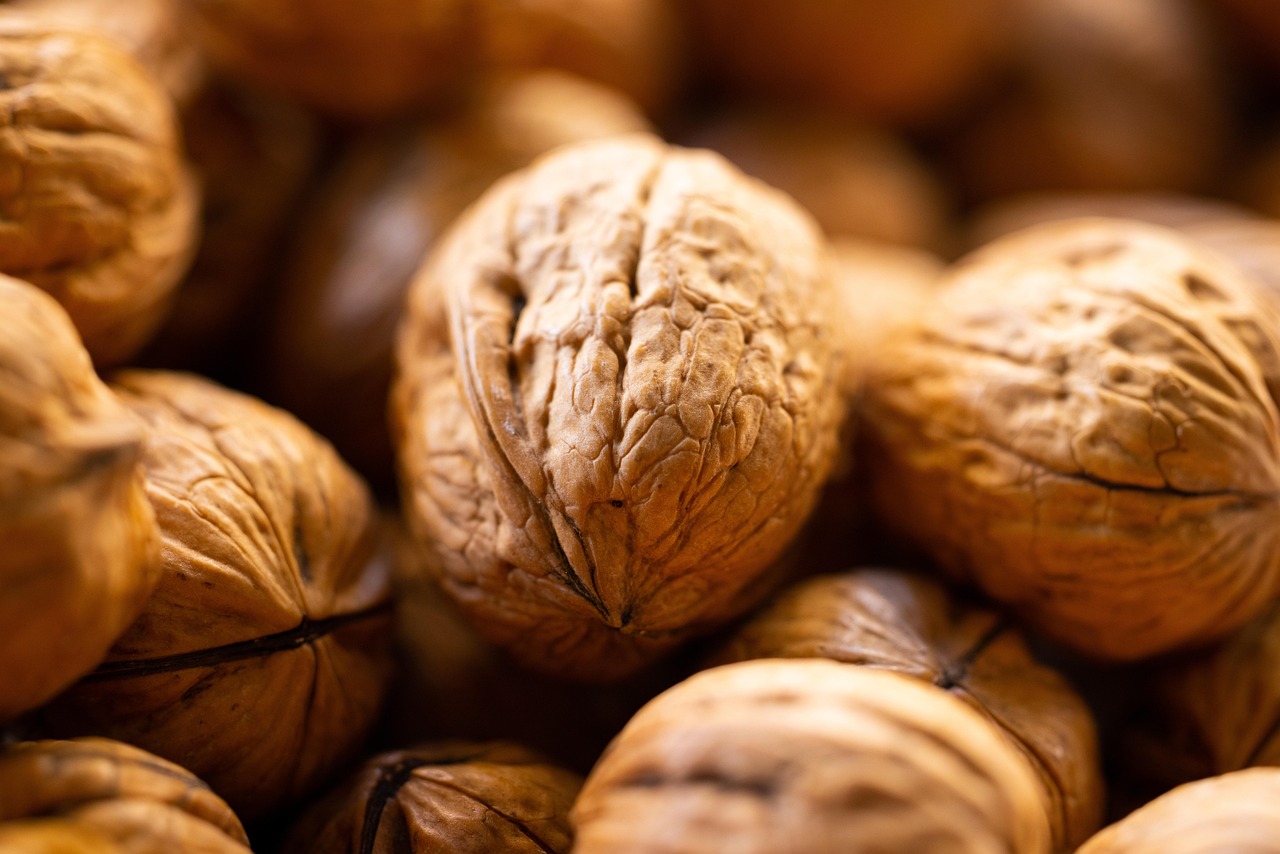
- Almonds, Walnuts, Chia Seeds, Flax Seeds: These provide healthy fats, protein, and fiber. They’re perfect for snacking or adding to meals.
Practical Tip: Store nuts and seeds in airtight containers in the refrigerator to prevent them from going rancid. A handful of almonds makes a great pre-workout snack. Chia seeds can be added to yogurt or smoothies for extra fiber.
- Nut Butters (Peanut, Almond, Cashew): Choose natural versions without added sugars or oils.
Practical Tip: Check the ingredient list to ensure it contains only nuts and perhaps a touch of salt. Nut butter on whole-wheat toast is a quick and satisfying breakfast or snack.
Embracing Complex Carbohydrates
Complex carbohydrates provide sustained energy for workouts and daily activities. Prioritizing these over refined carbs is essential for maintaining stable blood sugar levels and preventing energy crashes.
Whole Grains
- Oats: A versatile and affordable option for breakfast, baking, and adding to smoothies.
Practical Tip: Opt for steel-cut or rolled oats over instant oats to minimize processing and maximize nutrient content. Overnight oats are a convenient make-ahead breakfast.
- Quinoa: A complete protein source that can be used as a substitute for rice or pasta.
Practical Tip: Rinse quinoa thoroughly before cooking to remove the saponin coating, which can impart a bitter taste.
- Brown Rice: A fiber-rich alternative to white rice, providing sustained energy.
Practical Tip: Cook a large batch of brown rice at the beginning of the week and use it in various meals.
- Whole-Wheat Pasta: A higher-fiber option compared to white pasta.
Practical Tip: Look for pasta made with 100% whole wheat for maximum fiber content.
Shelf-Stable Fruits & Vegetables
- Dried Fruits (Raisins, Cranberries, Apricots): Convenient for snacking and adding to trail mix or oatmeal.
Practical Tip: Choose unsweetened varieties to avoid added sugars.
- Canned Vegetables (Tomatoes, Corn, Green Beans): Affordable and readily available for quick meal preparation.
Practical Tip: Opt for low-sodium or no-salt-added versions. Rinse canned vegetables before use to further reduce sodium.
- Sweet Potatoes: While they last longer in a cool, dark place, sweet potatoes are fantastic for complex carbs and can be part of your pantry staples.
Healthy Fats: The Good Kind
Healthy fats are essential for hormone production, nutrient absorption, and overall health. Don’t shy away from incorporating these into your fitness pantry.
Oils & Vinegars
- Olive Oil: Ideal for cooking and salad dressings.
Practical Tip: Choose extra virgin olive oil for its rich flavor and health benefits.
- Coconut Oil: Can be used for cooking at higher temperatures.
Practical Tip: Use coconut oil sparingly due to its high saturated fat content.
- Avocado Oil: A good source of monounsaturated fats.
- Vinegar (Balsamic, Apple Cider, Red Wine): Adds flavor to salads and marinades without added calories.
Practical Tip: Apple cider vinegar can also be used as a health tonic.
Additional Healthy Fat Sources
- Seeds (Flax, Chia, Pumpkin): Excellent sources of omega-3 fatty acids and fiber.
Practical Tip: Grind flax seeds for better absorption of nutrients.
- Nuts (Walnuts, Almonds, Pecans): Provide healthy fats, protein, and fiber.
Smart Snacking Staples
Having healthy snack options readily available helps prevent unhealthy cravings and keeps you on track with your fitness goals.
Low-Calorie & Nutrient-Dense Choices
- Air-Popped Popcorn: A whole-grain snack that’s low in calories and high in fiber.
Practical Tip: Season with spices like nutritional yeast, chili powder, or cinnamon instead of butter and salt.
- Rice Cakes: A blank canvas for healthy toppings like avocado, nut butter, or hummus.
Practical Tip: Choose plain rice cakes without added flavors or sugars.
- Seaweed Snacks: Low in calories and rich in minerals.
- Dark Chocolate (70% Cocoa or Higher): Satisfies sweet cravings and provides antioxidants.
Practical Tip: Enjoy in moderation as a treat.
Minimally Processed Options
- Edamame: Provides plant-based protein and fiber.
- Roasted Chickpeas: A crunchy and savory snack option.
Practical Tip: Roast chickpeas with your favorite spices for added flavor.
Spices & Flavor Enhancers
Spices and herbs can transform bland dishes into flavorful masterpieces without adding extra calories or unhealthy ingredients.
Essential Spices
- Cinnamon: Adds sweetness and warmth to oatmeal, yogurt, and baked goods.
- Turmeric: Known for its anti-inflammatory properties.
- Chili Powder: Adds heat and depth to savory dishes.
- Garlic Powder & Onion Powder: Versatile flavor enhancers for soups, stews, and roasted vegetables.
- Dried Herbs (Oregano, Basil, Thyme, Rosemary): Add aroma and flavor to Italian, Mediterranean, and other cuisines.
Low-Sodium Options
- Lemon Juice & Zest: Adds brightness and acidity to dishes.
- Hot Sauce: Adds heat and flavor with minimal calories.
- Nutritional Yeast: A cheesy-flavored topping that’s rich in B vitamins.
- Salt-Free Spice Blends: Allow you to control sodium intake while still enjoying flavorful meals.
Staying Hydrated: Drink Up!
While not technically “food,” staying hydrated is a vital part of any fitness plan. Keep your pantry stocked with options to encourage regular fluid intake.
Hydration Helpers
- Herbal Teas: Many varieties available, offering a range of flavors and potential health benefits.
Practical Tip: Choose caffeine-free options for evening consumption.
- Unsweetened Coconut Water: Provides electrolytes and a refreshing taste.
Practical Tip: Check the label for added sugars and choose a brand with minimal ingredients.
- Sparkling Water: A calorie-free alternative to sugary sodas.
Practical Tip: Add slices of fruit or herbs for extra flavor.
Conclusion
Transforming your pantry into a fitness-focused zone is a significant step towards achieving your health and wellness objectives. By prioritizing protein, complex carbohydrates, healthy fats, and smart snack choices, you’ll be equipped to fuel your workouts, manage your weight, and nourish your body from the inside out. Remember to read labels carefully, choose whole, minimally processed foods whenever possible, and get creative with your recipes. A well-stocked fitness pantry is an investment in your long-term health and well-being.